


Galaxy Defense: Fortress TD
4.52.17K Reviews
App Specs
- Version
- 0.18.0
- Updated On
- License
- Free
- Downloads
- 5,000,000+
- Developer
- CyberJoy Games
- Categories
- Strategy
- Platform
- Android, iOS
Screenshots
 Analysis by AppCompare
I like tower-defense games most when one decision has a visible consequence a few moments later: a lane holds, a weak point opens, or a base suddenly feels exposed. That cause-and-effect is the appeal I look for in Galaxy Defense: Fortress TD. CyberJoy Games has made a strategy game about protecting a planetary stronghold from alien attacks, and the central question is familiar but satisfying: where should limited defensive power go before the next wave arrives?
It is free to start, rated for Everyone, and has drawn over a million installs. Its 4.6 average from around 77,000 ratings suggests a sizeable audience, though popularity alone cannot tell you whether its particular style will suit you. I would approach it as a focused defense game rather than a sprawling strategy simulator: the fun comes from judging threats and adjusting a plan, not from managing a whole galaxy of systems.
Why the tower-defense decisions matter
The game’s defining capability is its emphasis on arranging and improving defenses to meet incoming alien waves. That sounds like a standard tower-defense premise, but its practical value is that it gives each attack a small planning problem. A placement that seems sensible at the start can prove weak once enemies press through, so I found it more rewarding to observe what is happening than to build on autopilot.
That makes the game a good fit for short stretches of focused play. I can imagine opening a level during a quiet break, taking a moment to assess the approach, then staying for another attempt if my first setup falls short. The appeal is not merely watching weapons fire; it is trying to work out why one defensive layout held and another did not.
Getting Started with Galaxy Defense
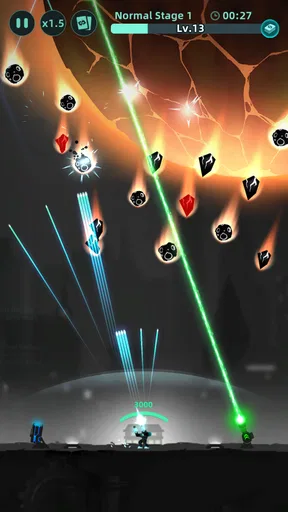
Right off the bat, Galaxy Defense: Fortress TD throws you into the thick of things. The premise is simple: you’re tasked with protecting your base from waves of alien enemies. You’ve got a variety of towers to choose from, each with its own unique abilities, and you’ll need to strategically place them to fend off the attacks.
The game’s interface is sleek and user-friendly. I didn’t have to spend hours figuring out what does what. Instead, the game eases you into the mechanics with a helpful tutorial. I appreciated the fact that I could dive in and start strategizing almost immediately.
Gameplay and Strategy
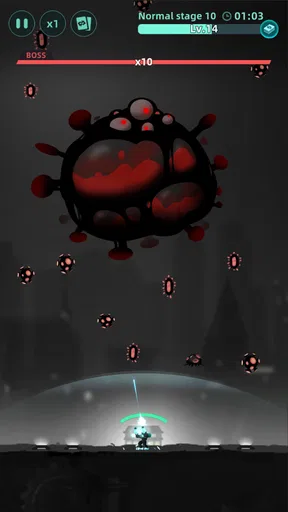
What’s really captivating about Galaxy Defense: Fortress TD is its strategic depth. You can’t just slap down towers and hope for the best. Each enemy has its own strengths and weaknesses, so you’ve got to think on your feet. I found myself constantly tweaking my strategy, trying to find that perfect balance between offense and defense.
Worth Reading Before You Choose

Flipboard Shows What News Apps Must Do Beyond the Feed

Switching to Android Auto Means Rethinking Your Driving Routine

Google Calendar Makes a Crowded Week Easier to Manage

Ludo King Makes the Most of the Minutes Between Plans

Baby Panda World Brings Quick Play to Modern Phones, but Its Game Library Feels Busy

ESPN’s Live Game View Makes Following Close Games Easier
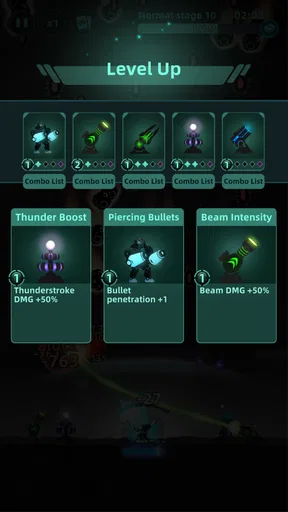
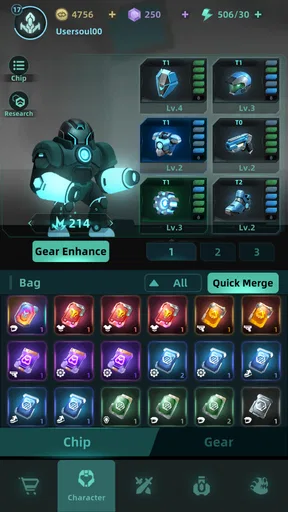
There are several types of towers, and each one can be upgraded in multiple ways. Whether you’re focusing on long-range artillery or close-quarters combat, there’s a strategy for you. I spent a fair amount of time experimenting with different combinations, and it’s this experimentation that keeps the game fresh and exciting.
How to make a run more useful
A practical way to learn from a difficult stage is to change one part of your defense at a time. If you replace several towers or upgrade paths at once, it becomes hard to tell which choice helped. I prefer to keep the parts that are already working, then adjust the weak point I noticed in the previous attempt. That turns replaying a level into a test rather than a blind retry.
It also helps to watch where pressure builds instead of reacting only to the first enemies on screen. An early placement can feel powerful but leave another stretch poorly covered later. When I am unsure, I would rather preserve flexibility and see how the wave develops before committing every available resource to one side. This is a useful habit in any wave-based defense game, and particularly relevant here because the fun depends on adapting your layout to the threat.
Upgrades invite another small trade-off: improving an existing tower can strengthen a known position, while adding a different type may give the defense more range or variety. There is no universal answer I would use on every map. If a lane is already stable, broadening coverage may be more valuable than making it even stronger; if enemies are breaking through at one point, reinforcing that position can be the sensible choice. Thinking in terms of the problem you are solving makes experimentation less wasteful.
Best suited to a deliberate play break
The strongest everyday use case is a player who wants an active game break, not a passive distraction. For example, after dinner I might have ten or fifteen minutes free and want something that asks for attention without requiring me to coordinate with a team or remember a long chain of quests. A defense level gives that time a clear shape: inspect the situation, commit to a layout, and see whether it survives.
That same focus can make it a poor match for playing while doing something else. If I am replying to messages, watching a show, or frequently putting the phone down, I am less likely to notice the moment a defense needs a change. The game’s tactical decisions are the point, so split attention can make a close stage feel frustrating rather than relaxing. I would save it for a moment when I can actually watch the action.
It is also worth distinguishing “quick to understand” from “effortless to master.” The tutorial and accessible interface lower the entry barrier, but learning which choices work under pressure still takes attention. A newcomer can get moving without studying a manual, while someone who wants to optimize every wave may need to replay stages and compare approaches. That gradual learning curve is appealing to me, although players looking for a purely idle experience may find the active decision-making too demanding.
How it compares with other strategy games
Compared with broad strategy games that ask you to manage resources, units, maps, and long-term plans all at once, this is a narrower proposition. Its focus on defending a base makes individual placement choices easier to read. If you enjoy spotting a weak lane and trying a different arrangement, that focus is a strength. If you want diplomacy, exploration, extensive empire management, or a story-driven campaign to anchor every session, a larger strategy title is likely a better fit.
Against simpler tower-defense alternatives, the attraction here is the combination of different tower types, upgrade choices, and enemies with distinct strengths and weaknesses. That gives experimentation a reason beyond making the screen look busy. The trade-off is that people who prefer a minimalist game with very few decisions may find the choices more involved than they want. I would choose this when I want to think through a defense, and choose a lighter arcade-style game when I only want a few effortless taps.
The game is developed by CyberJoy Games, and its current version is 0.14.2. It was released on April 21, 2025, and requires Android 7.0 or later. Those details make it easier to judge compatibility before installing, but the more important personal question is whether you enjoy repeated tactical adjustment. The game is free to download, with optional in-app purchases ranging from $2.99 to $349.99 per item. I would treat those purchases as a reason to be deliberate: try the core experience first, and set a spending limit if you decide to buy anything.
Visuals and Soundtrack
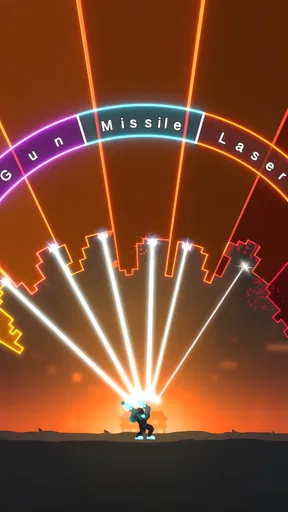
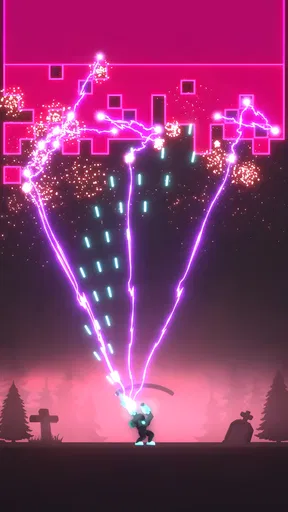
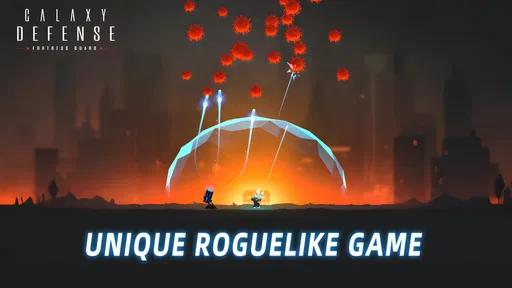
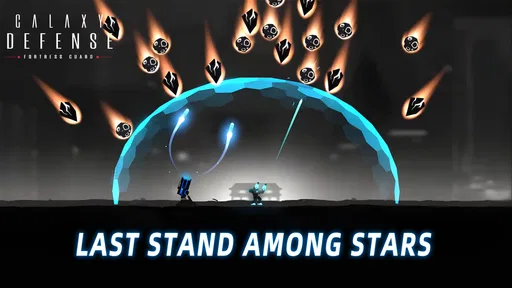
Visually, Galaxy Defense: Fortress TD is stunning. The graphics are crisp and vibrant, making the game a joy to look at. Each level has its own unique design, and the attention to detail is impressive. The animations are smooth, and I never experienced any lag, even during the most intense battles.
The soundtrack is equally engaging. It’s got that perfect mix of tension and excitement, keeping you on the edge of your seat. The sound effects are spot-on, each laser blast and explosion adding to the immersive experience.
Challenges and Rewards
As you progress through the game, the levels get increasingly challenging. I found myself replaying certain levels, trying to earn three stars and maximize my rewards. The game does an excellent job of balancing difficulty with reward, ensuring you’re always motivated to push forward.
There are daily challenges and special events that offer unique rewards, keeping things interesting. Plus, the leaderboard adds a competitive edge, allowing you to see how your skills stack up against players worldwide.
That progression gives persistent players a reason to return, but it can also change how a session feels. Chasing a better result encourages careful replay, while daily tasks and events can make the game feel like something to check regularly. I would enjoy those hooks in moderation rather than treating them as obligations. If you prefer games with a definite ending and no recurring activities, the ongoing challenge structure may be less appealing.
For someone deciding whether to install, the key question is not whether there is always another objective, but whether replaying a defense sounds enjoyable. I like replay when I can identify a concrete improvement to test. If losing simply makes you want to rush through again without reconsidering the layout, the repeat loop may become tiring. Taking a brief pause to think about what failed can make the next attempt more satisfying.
Who will get the most from it
I would recommend it first to players who already enjoy tower defense and want a game built around reading incoming threats, choosing tower combinations, and refining a setup. It should also suit strategy newcomers who want a direct introduction to the genre, since the tutorial gets them into the action without a steep learning process. The Everyone age rating makes it broadly accessible, while the actual appeal still depends on whether the player likes planning under pressure.
I would hesitate to recommend it to someone who dislikes replaying stages, wants a story-heavy adventure, or expects strategy to mean controlling a large army across a broad map. It is also not my first choice for a hands-off game to play while distracted. Those are not flaws so much as boundaries of the experience: the focused defense format rewards attention and iteration, and offers less to people seeking other kinds of variety.
Final Thoughts
All in all, Galaxy Defense: Fortress TD is a must-play for any tower defense enthusiast. It’s got everything you’d want: strategic depth, stunning visuals, and a soundtrack that pulls you in. The game is both challenging and rewarding, ensuring you’re never bored.
If you’re looking for a game that will test your strategic skills and keep you entertained for hours on end, look no further. Download it now and dive into the galaxy’s most exciting defense adventure. Just a heads up—don’t be surprised if you lose track of time while playing!
My more measured recommendation is to try it when you have a little uninterrupted time and see whether the placement-and-replay loop clicks for you. I find its best moments come from noticing a weakness, making a focused change, and watching the next attack play out differently. If that sounds satisfying, its accessible start and layered tower choices make it an easy strategy game to explore. If you would rather avoid repeated attempts or optional spending, keep expectations modest and enjoy it at your own pace.
Pros
- Engaging graphics and sound enhance gameplay.
- Diverse turret options for strategic variety.
- Frequent updates keep the game fresh.
- Offline mode available for on-the-go play.
- Intuitive controls for smooth gaming experience.
Cons
- In-app purchases can be quite pricey.
- High difficulty curve may deter new players.
- Requires significant storage space.
- Occasional lag on older devices.
- Ads can disrupt the gaming experience.
FAQs for Galaxy Defense: Fortress TD
What is Galaxy Defense: Fortress TD about?
Galaxy Defense: Fortress TD is a strategic tower defense game where players must protect their base from waves of alien invaders. It features a variety of towers and defenses that can be upgraded to improve their effectiveness. The game offers multiple levels, each with increasing difficulty, requiring strategic planning and quick decision-making.
Is Galaxy Defense: Fortress TD free to play?
Yes, Galaxy Defense: Fortress TD is free to download and play. However, it offers in-app purchases for players who wish to enhance their gaming experience with additional resources, special items, or to remove ads. These purchases are optional and the game can be enjoyed fully without spending money.
What kind of devices support Galaxy Defense: Fortress TD?
Galaxy Defense: Fortress TD is available on both Android and iOS platforms. It is compatible with most modern smartphones and tablets. However, for the best gaming experience, it is recommended to use a device with updated software and sufficient RAM to handle the game’s graphics and processing needs.
Does Galaxy Defense: Fortress TD require an internet connection?
Galaxy Defense: Fortress TD can be played offline, making it a great option for gaming on the go without worrying about connectivity. However, certain features, such as in-app purchases and leaderboard rankings, will require an internet connection to access and update.
How often does Galaxy Defense: Fortress TD receive updates?
The developers of Galaxy Defense: Fortress TD regularly release updates to improve gameplay, fix bugs, and add new features. It is important to keep the game updated to enjoy the latest enhancements and ensure a smooth gaming experience. Players can check the app store for the latest version information.


